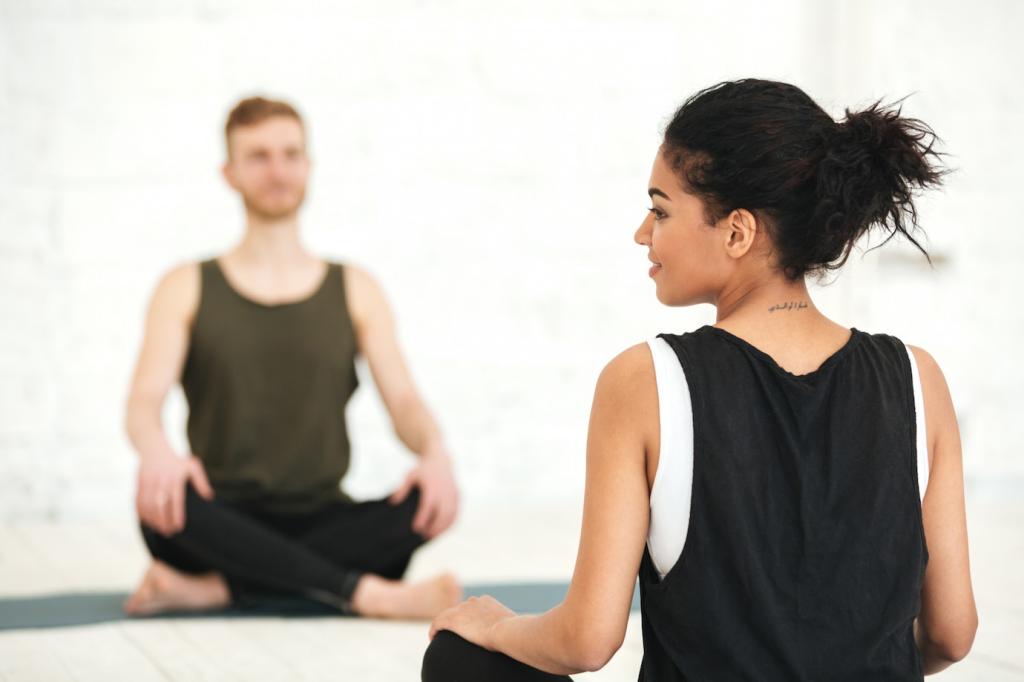
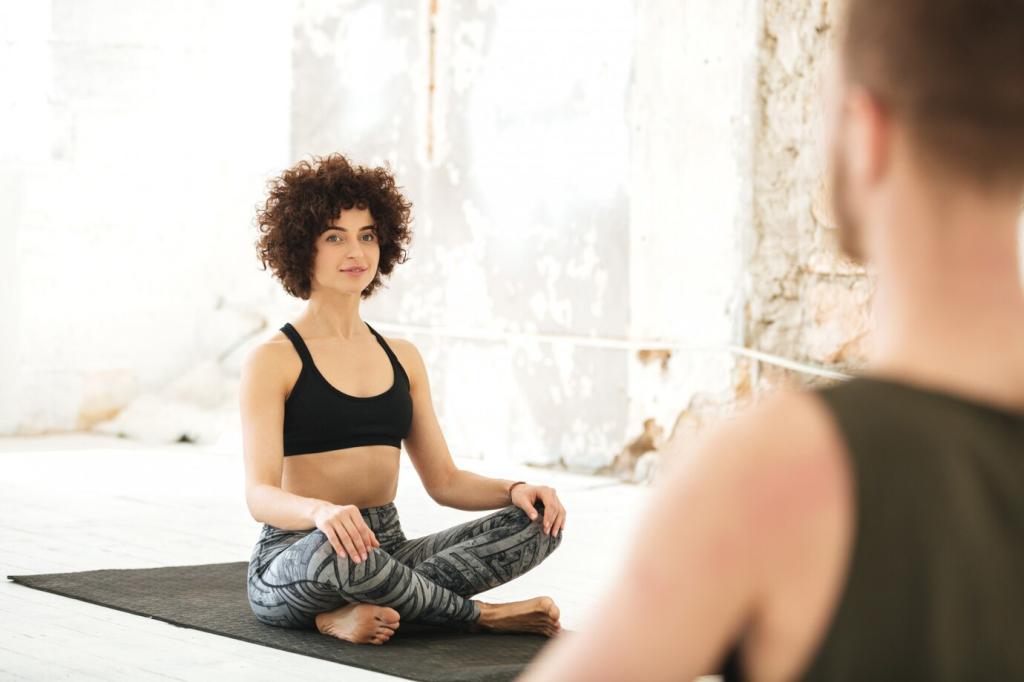
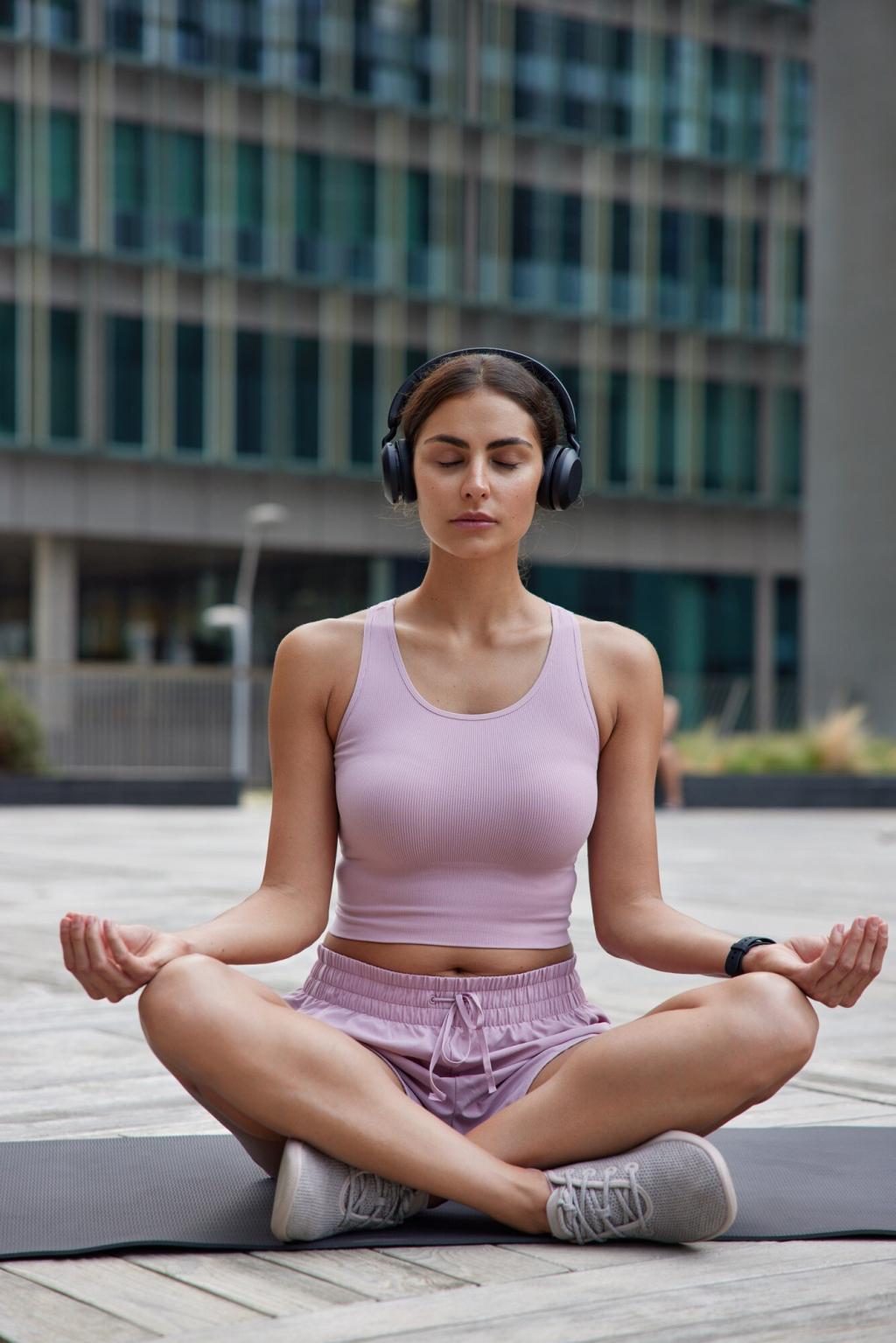
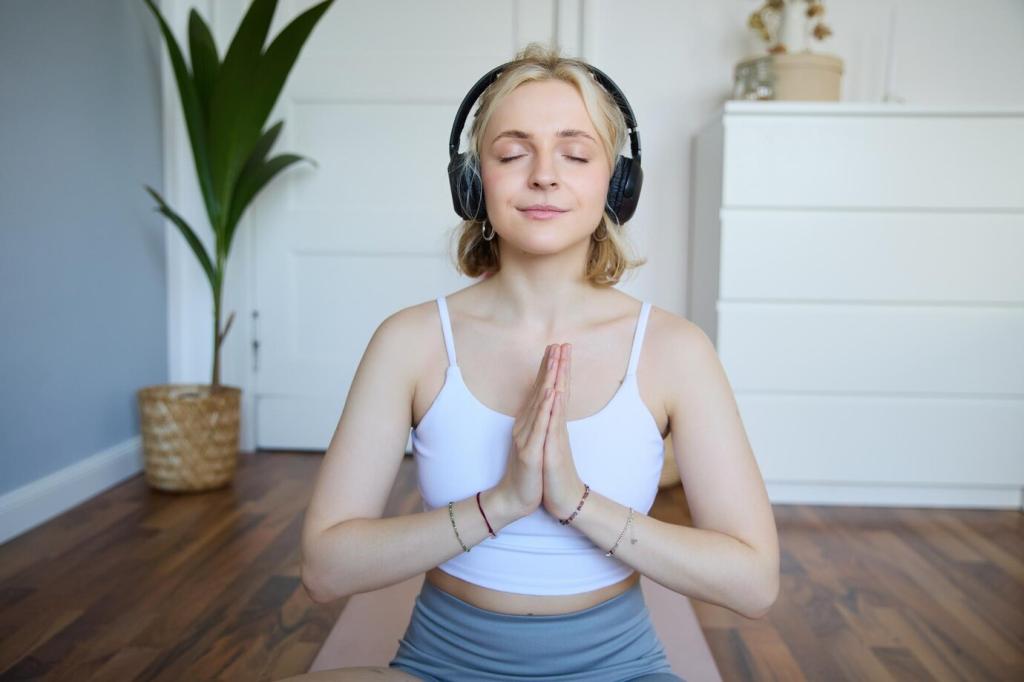
Chosen theme: Transforming Your Fitness Routine with Meditation. Step into training that feels calmer, sharper, and more meaningful. We blend breath, focus, and movement so your workouts deliver results that stick—physically, mentally, and emotionally. Subscribe for weekly practices and share your progress with our community.
Slow, rhythmic breathing stimulates the vagus nerve and can improve heart rate variability, a marker linked to recovery capacity. Athletes who practice breath-led meditation report steadier pacing, fewer junk sessions, and more restorative sleep.
The Science Behind Mindful Training
Focused attention strengthens neural circuits involved in motor control and learning. Meditation trains that attention like a muscle, helping you groove better movement patterns, remember cues under fatigue, and translate technique from drills into real performance.
Pre, Intra, and Post-Workout Mindfulness Rituals
Spend three quiet minutes noticing breath and scanning head to toe. Name a single intention—tempo, depth, or posture—and let that guide your session. Share your intention with us to keep accountability strong.
Match steps to breath—inhale for three, exhale for four—to stabilize pace and calm chatter. Cadence counting reduces overstriding and keeps attention grounded when motivation dips mid-run or mid-ride.
Rethinking Discomfort on Hills and Intervals
Label sensations neutrally: pressure, heat, tightness. This reframing reduces catastrophizing and frees energy for form. Watch your posture, relax your jaw, and let breath guide the effort instead of panic steering the ship.
Anecdote: The 10K PR That Came From Slowing Down
After months plateaued, I practiced mindful pacing: first three kilometers deliberately easy, eyes soft, breath light. By halfway, I felt surplus energy and finished strong with a surprise personal record. Tell us your mindful pacing story.
Strength and Power Through Stillness
Pair a three-second eccentric with quiet nasal inhales. Add a one-second pause to own the position, then drive on an intentional exhale. Box breathing between sets keeps arousal optimal without dulling intensity.
Log session intent, perceived effort, mood, breath quality, and one note you would teach a friend. Patterns emerge quickly, helping you adjust volume without self-criticism or guesswork.
Guided vs. Unguided: Find Your Fit
Start guided for structure, then taper toward silence when comfortable. Short daily meditations often outperform long sporadic ones. Comment which style keeps you consistent so others can learn from your experience.
Metrics Without Obsession
HRV, pace, and load are helpful until they rule you. Use them as a compass, not a judge. If anxiety spikes, simplify your dashboard and return to breath-centered awareness.
A 14-Day Meditation x Movement Plan
Expect five-minute daily meditations, two technique cues per workout, and one weekly reflection. Light enough to fit busy schedules, strong enough to spark lasting change. Sign up and invite a friend.
Share Your Anchor Word
Choose a word that centers you—“steady,” “tall,” or “soft power.” Write it on your bottle, log, or shoes. Post your word and why it matters to inspire someone’s next session.
Subscribe for Weekly Mindful Training Notes
Get bite-sized science, simple scripts, and community stories in your inbox. Reply with questions or wins; we feature reader insights to grow a supportive, practical, and encouraging training space.