
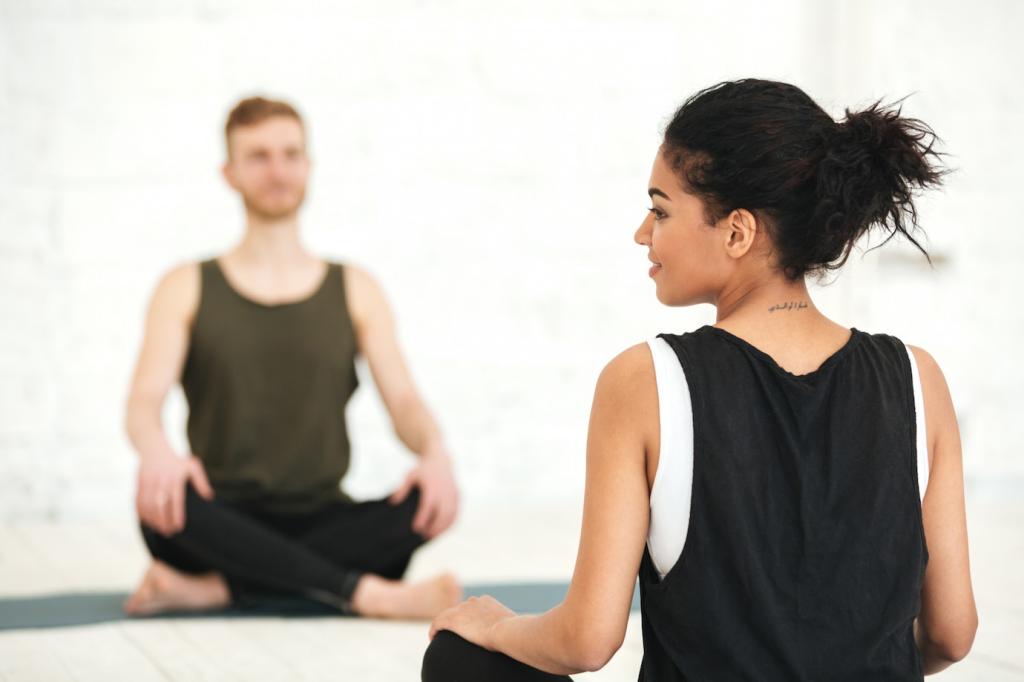
Boosting Endurance with Meditative Practices

Chosen theme: Boosting Endurance with Meditative Practices. Hold your pace longer, calm the noise, and train your mind to support every mile. We blend breath, focus, and gentle awareness to stretch stamina without burning out. Read on, try the drills, and subscribe for weekly practice cues tailored to endurance.

The Mind–Body Bridge for Lasting Stamina

Use steady nasal breathing to anchor rhythm when effort rises. Match footfalls or pedal strokes to your inhale–exhale cycle, then keep the cadence gentle but consistent. When your breath frays, ease intensity slightly, regain smoothness, and return. Share your favorite breath–cadence ratio in the comments.

The Mind–Body Bridge for Lasting Stamina

Practice panoramic vision instead of tunnel focus during long efforts. Let your eyes relax, widen your field of view, and notice scenery passing. This reduces visual strain and subtly lowers perceived exertion, helping you maintain form. Try it on your next run and tell us how your pacing felt.


Designing a Meditative Endurance Routine

Pre, Mid, and Post-Session Rituals

Begin with two minutes of box breathing, settle attention on breath during warm-up, then insert a ten-breath reset at the halfway mark. Post-session, sit quietly and note one sensation, one emotion, and one lesson. These compact rituals compound. Tell us which step feels most natural to keep.

Progressive Load, Progressive Stillness

As weekly volume climbs, increase stillness minutes too. Pair long runs with longer cool-down meditation to balance stress. Track both distance and mindfulness in the same log so you see patterns. If motivation dips, try reducing intensity while keeping your sit-time. Comment with your preferred ratio.

Environment That Encourages Presence

Curate a simple pre-training corner: quiet light, timer, mat, and a phrase you love. This primes your brain for consistent practice. Carry that cue—like “easy equals endless”—into the workout. When you notice drift, repeat it softly. Share your mantra to inspire someone’s next steady effort.

Science Snapshot: Why Meditation Supports Endurance

Meditative practices refine interoception—the ability to read internal signals—so athletes distinguish manageable discomfort from harmful strain. Sharper internal listening often reduces perceived exertion at a given workload. Try labeling sensations neutrally, like “warmth in quads,” to prevent emotional spin. Report whether your pacing smoothed after this shift.

A Cyclist’s Mountain Mantra

On a long climb, a rider repeated “soft shoulders, strong circles” every minute. It kept his grip loose and cadence round. When wind hit, he lengthened exhales to stay smooth and finished fresher than usual. Try a short mantra on your next ascent and share the words that worked.

A Marathoner’s Compassion Reset

At mile twenty, cramps threatened a personal goal. Instead of fighting, she placed a hand on her abdomen, breathed kindly, and said, “I’m here; let’s move together.” The tension eased enough to jog steadily home. Practice a compassion cue during adversity and tell us how your mind responded.

Focus, Grit, and Gentle Recovery

Label sensations as data—pressure, heat, tightness—rather than threats. Pair the label with a choice: ease, hold, or surge. This separates pain from panic, conserving energy for action. Practice during controlled intervals first. Share a moment when re-labeling changed your trajectory in a workout or race.

Start Today: A 10-Minute Endurance Meditation

Sit or stand tall. Inhale four counts, exhale six. Feel feet, hips, jaw. Name three sensations without judgment. If thoughts surge, label them “planning” or “worry,” then return to breath. Post your experience—what sensation surprised you—and invite a training partner to try this together.
Lorinavexolanor
Privacy Overview

This website uses cookies so that we can provide you with the best user experience possible. Cookie information is stored in your browser and performs functions such as recognising you when you return to our website and helping our team to understand which sections of the website you find most interesting and useful.