Meditation and Strength Training: A Balanced Approach
Welcome to a space where breath steadies the barbell and stillness amplifies power. Explore practical ways to integrate meditation with strength training, so your mind recovers faster, your lifts feel cleaner, and your progress lasts.
Research on attentional focus shows internal cues can refine technique and motor learning. With a balanced approach, you recruit the right muscles, temper ego lifting, and convert scattered effort into purposeful, powerful movement.
Mind–Muscle Connection, Explained
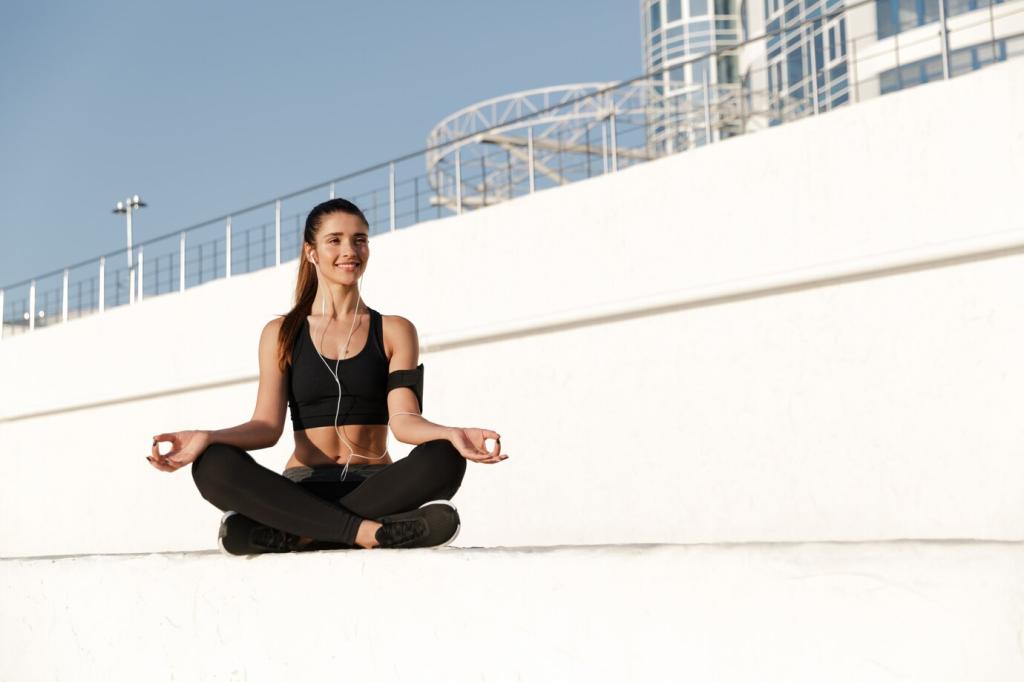
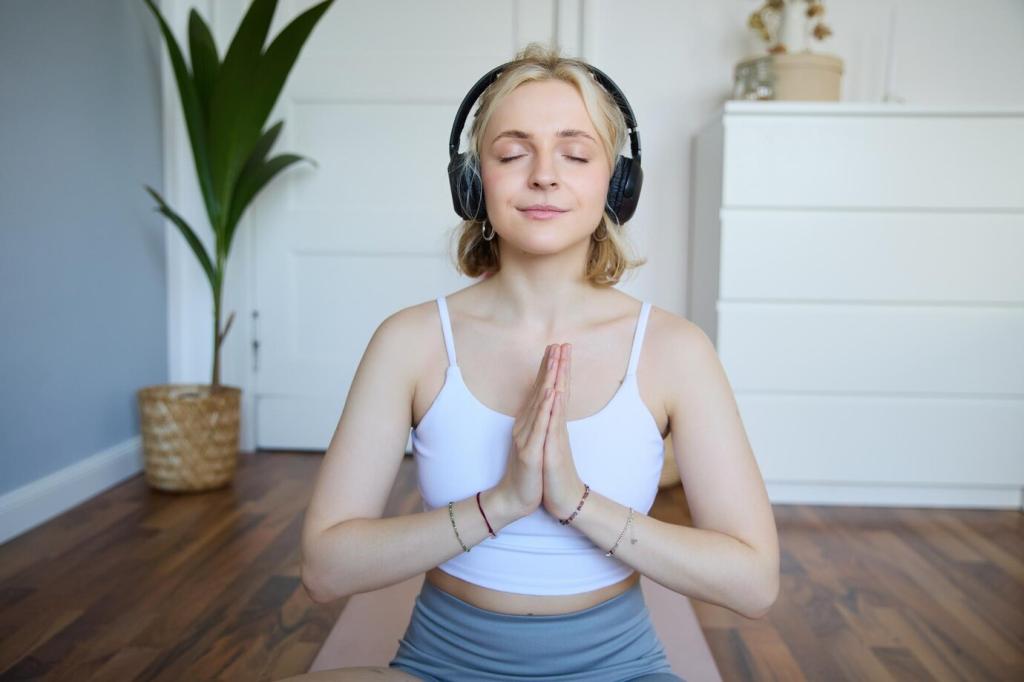
Before heavy sets, sit tall, soften your gaze, and count four slow breaths. Scan jaw, ribs, hips, and feet. This tiny pause steadies arousal, sharpens intent, and protects form when weight feels intimidating.
Mind–Muscle Connection, Explained
Choose one clear intention, such as smooth descent or patient lockout. Whisper it silently before unracking. Intention anchors attention, improves perceived exertion accuracy, and transforms routine sets into skill practice that compounds week after week.
Breathwork That Powers Your Lifts
Inhale, hold, exhale, hold, each for four steady counts. Marry the brace to your setup, expand 360 degrees, and feel the belt meet your breath. The result is safer tension and a calmer, stronger pull.
Breathwork That Powers Your Lifts
A narrow hissed exhale through the sticking point preserves tension without panic. Pair it with soft eyes and tall posture. The combination keeps technique intact when fatigue bites and plates start rattling.
Breathwork That Powers Your Lifts
Perform a single at a manageable load with silent, nasal breathing and a deliberate tempo. Notice bar path, balance, and mental chatter. Share your observations with our community to refine this approach together.
Programming With Presence
Structure three main strength days, one accessories day, and two recovery days anchored by short meditations. Use five-minute breath work before compound lifts. This rhythm balances overload and restoration without sacrificing momentum.
Programming With Presence
On tough days, blend rate of perceived exertion with the RAIN practice: recognize tension, allow it, investigate technique, nurture with one constructive cue. You adjust intelligently, not emotionally, and training continues to progress.
Recovery Rituals You Will Actually Keep
Lie down and guide attention from toes to scalp, releasing micro tension. This ten minute body scan can lower stress, ease sleep onset, and support growth hormone pulses that help tissues rebuild stronger.
Have a small, familiar carb plus protein snack, then pause for three breaths before the first bite. Chew slowly, noticing hunger and satiety. You start the session fueled, not rushed, and mentally present.
Protein With Presence
Aim for roughly thirty to forty grams of protein after lifting, alongside colorful plants. Add a short gratitude pause that shifts you from fight or flight. Better digestion supports recovery, mood, and tomorrow’s drive.
Caffeine With Boundaries
Time caffeine about ninety minutes after waking and avoid late afternoon doses. Pair with breath awareness to prevent jitters. You get performance benefits without anxiety spikes that can sabotage focused strength practice.
Stories From The Rack And The Cushion
After missing 140 kilograms twice, Maya tried five breaths, soft gaze, and a quiet setup. The bar finally moved, five kilograms over her previous best. She said the silence made the floor feel friendlier.
Instead of shouting drive, he whispered soft ribs, long neck to an anxious lifter. Tension dropped, bar path straightened, and two solid sets rolled. The athlete now opens every session with sixty seconds of stillness.
What small meditation ritual changed your squat, bench, or deadlift. Post a comment, subscribe for weekly balanced plans, and invite a friend who needs calmer strength. Your story might become our next featured case.